
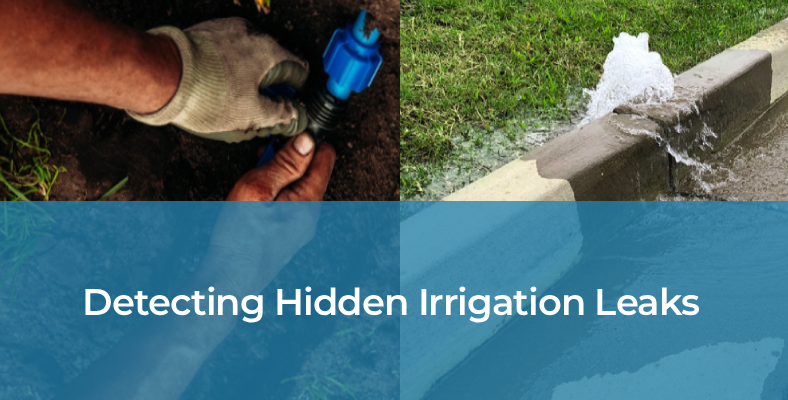
Why Is My Scottsdale Water Bill So High? A Homeowner’s Guide to Detecting Hidden Irrigation Leaks
Living in the Greater Scottsdale area, we all expect our utility bills to fluctuate with the seasons. The AC drives the electric bill up in July, and the water bill typically creeps up as we battle the dry heat. However, there is a massive difference between seasonal usage and a sudden, unexplained spike.
If you opened your statement from Scottsdale Water this month and felt a knot in your stomach, you are not alone. But here is the hard truth: The problem is rarely the meter, and it’s rarely the rates. It’s almost always the irrigation system.
A single broken sprinkler head can waste 25,000 gallons of water in six months. A stuck valve can waste that in a week.
At Conserva Irrigation of Greater Scottsdale, we specialize in hunting down these “silent thieves.” In this comprehensive guide, we will walk you through the specific layout of Arizona irrigation systems to help you identify where your money is going.
The “Tiered Rate” Trap: Why Leaks Cost More Here
First, it is crucial to understand how you are billed. Scottsdale uses a tiered rate structure to encourage conservation. This means the more water you use, the more expensive each gallon becomes.
-
Tier 1: Essential usage (indoor).
-
Tier 2: Standard landscape usage.
-
Tier 3 & 4: Excessive usage.
When you have a leak, you don’t just pay for the wasted water; you push your entire household consumption into Tiers 3 and 4. This is why a small leak can result in a bill that is double or triple the normal amount.

Culprit #1: The “Weeping” Valve (The Silent Killer)
This is the most common cause of high water bills in the Valley, and it is the hardest for homeowners to spot.
Your irrigation system uses solenoid valves to control the flow of water to each zone. Inside these valves is a rubber diaphragm. Over time, due to the chlorine in our water and the desert heat, this rubber wears out or debris gets stuck in the seal.
When this happens, the valve fails to close 100%. It might close 99%. That remaining 1% allows a steady trickle of water to flow into the pipes 24 hours a day, 7 days a week.
[IMAGE KEYWORD: irrigation valve box underground repair]
How to Diagnose:
-
Go to your lowest elevation sprinkler heads or drip emitters hours after the system has run.
-
Are they wet? Is there a small mud puddle around them?
-
If water is leaking from the lowest head when the system is OFF, you have a weeping valve.
This requires a professional Irrigation Repair to locate the specific valve box (often buried under granite) and rebuild the manifold.
Culprit #2: The Pressure Vacuum Breaker (PVB) Leak
Your PVB is that brass assembly usually located near the front of your house or the side gate. It prevents dirty irrigation water from backing up into your drinking water. Because it is under constant pressure, seals often degrade due to UV exposure.
[IMAGE KEYWORD: leaking pressure vacuum breaker brass pipe]
The Signs:
-
Look at the ground underneath the copper pipes. Is there white mineral buildup (calcium) on the concrete or the pipes themselves?
-
Is the soil constantly damp underneath it?
-
Do you hear a hissing sound coming from the unit even when sprinklers aren’t running?
A PVB leak is a constant flow leak. Even a “pinhole” spray here can waste hundreds of gallons a day.
Culprit #3: The “Geyser” You Never See
Many Scottsdale homeowners set their irrigation timers to run at 4:00 AM or 5:00 AM to minimize evaporation. This is smart for the plants, but bad for detection. If a sprinkler head has snapped off, it creates a geyser shooting 10 GPM (Gallons Per Minute) into the air while you are fast asleep.
[IMAGE KEYWORD: broken sprinkler head shooting water geyser]
How to Diagnose:
-
The “Spot Check”: You must turn your system on manually during the day at least once a month.
-
The Pressure Test: If you turn on a zone and the heads barely pop up or just dribble, it usually means there is a massive break in the line further down, diverting all the pressure.
Culprit #4: Drip Emitters Popped Off
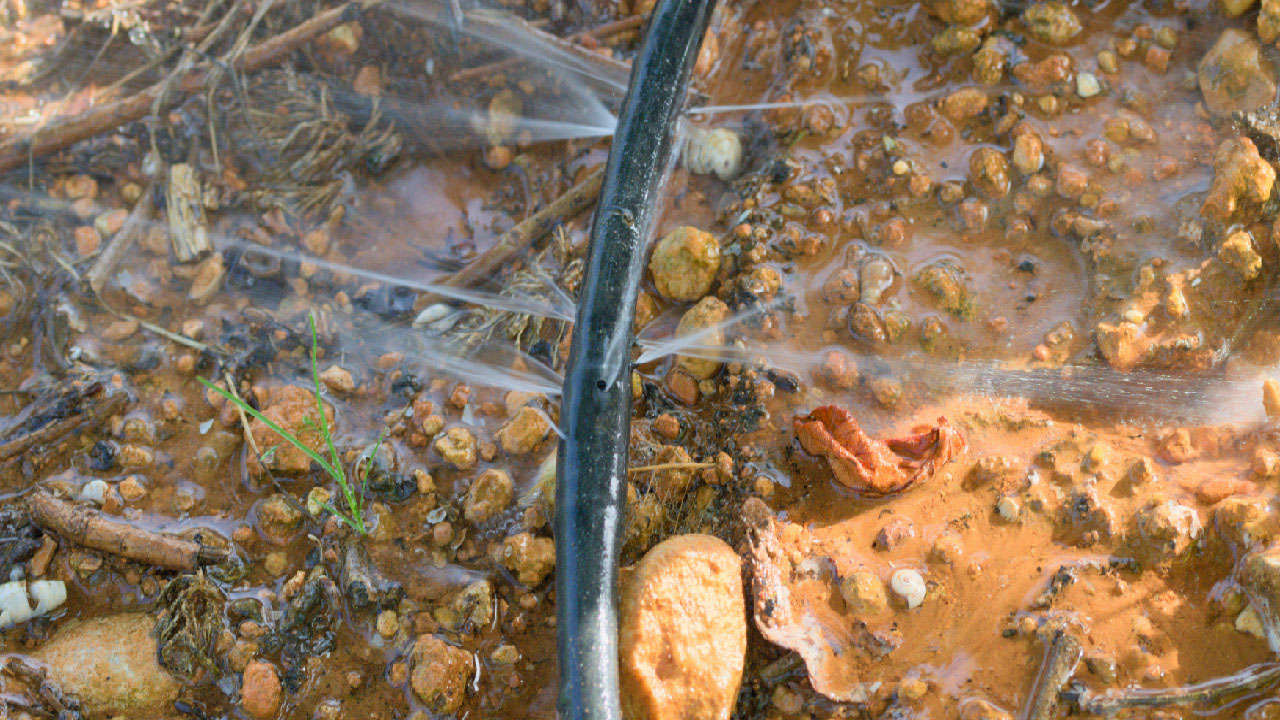
In our xeriscapes, we rely on drip irrigation. The problem is that rabbits, javelinas, and quail love to peck at these emitters to get to the water. Often, the emitter head gets knocked off, turning a 0.5 Gallon-Per-Hour drip into a free-flowing stream.
Since these are often hidden under bushes or agaves, you might not see the water pooling, but your meter definitely sees it.
The Solution: The Comprehensive System Audit
Stop guessing. If your bill is high, “adjusting the timer” won’t fix a physical leak. You need data.
At Conserva Irrigation, we offer a specialized Comprehensive System Audit. We don’t just walk around; we verify:
-
Flow Readings: To detect underground line breaks.
-
Valve Resistance: To check for electrical failures.
-
Head-to-Head Coverage: To ensure efficiency.
We provide you with a System Efficiency Score (SES) and a flat-rate quote to fix the issues. We find the leaks that others miss.
Is your water bill draining your bank account? Don’t wait for the next billing cycle. Contact Conserva Irrigation of Greater Scottsdale today to schedule your inspection and stop the waste.